Landscapes8 min read
Ten natural landscapes that impress with their diversity
From tundra to mangrove: ten types of natural landscape, what defines them, and what to look for in each one during a visit.
Readings about the major types of natural landscape, their characteristics, formations and what to look for in each environment.
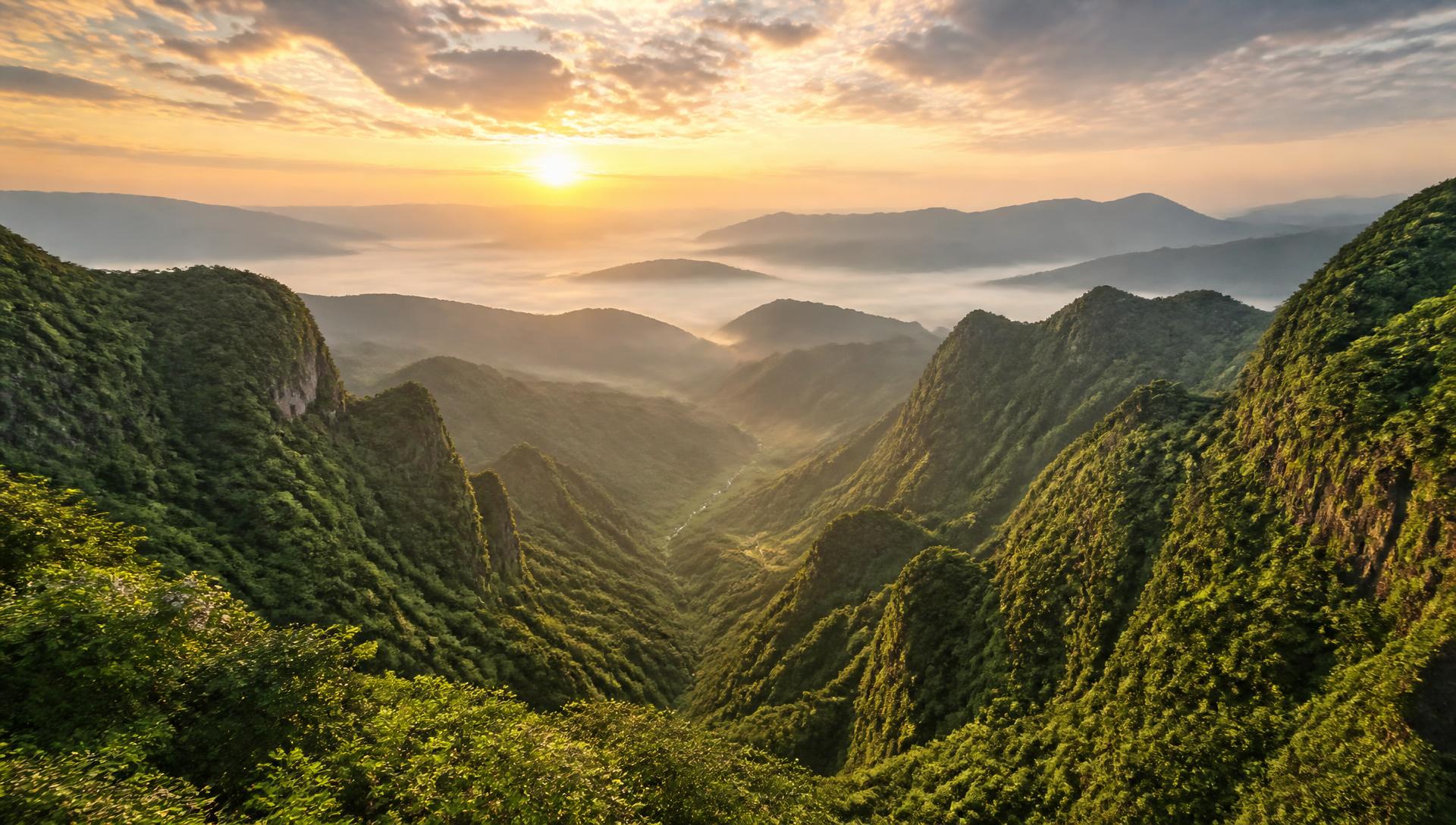
A natural landscape is the visible result of processes that unfold on very different scales: erosion over millions of years, rainfall cycles lasting a few months, and shifts of light that last only minutes. This section gathers texts that help you interpret what is in front of your eyes.
The content is organised by type of environment — mountainous relief, forest cover, freshwater habitats, coastal zones and arid regions — and offers background information for anyone who wants to look more closely.
From tundra to mangrove: ten types of natural landscape, what defines them, and what to look for in each one during a visit.
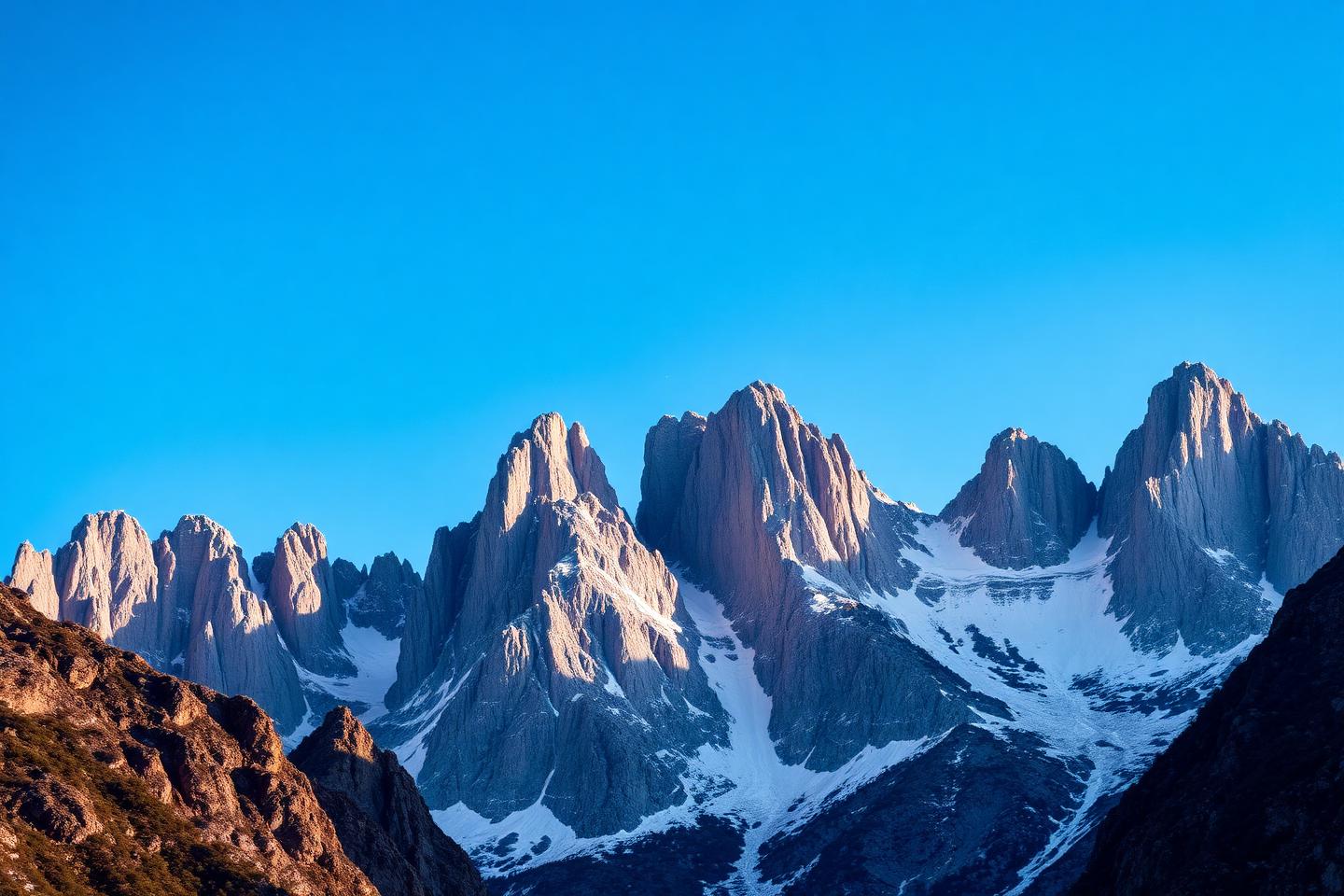
How mountains form, why vegetation changes with altitude, and what explains the variation in temperature and light in these environments.
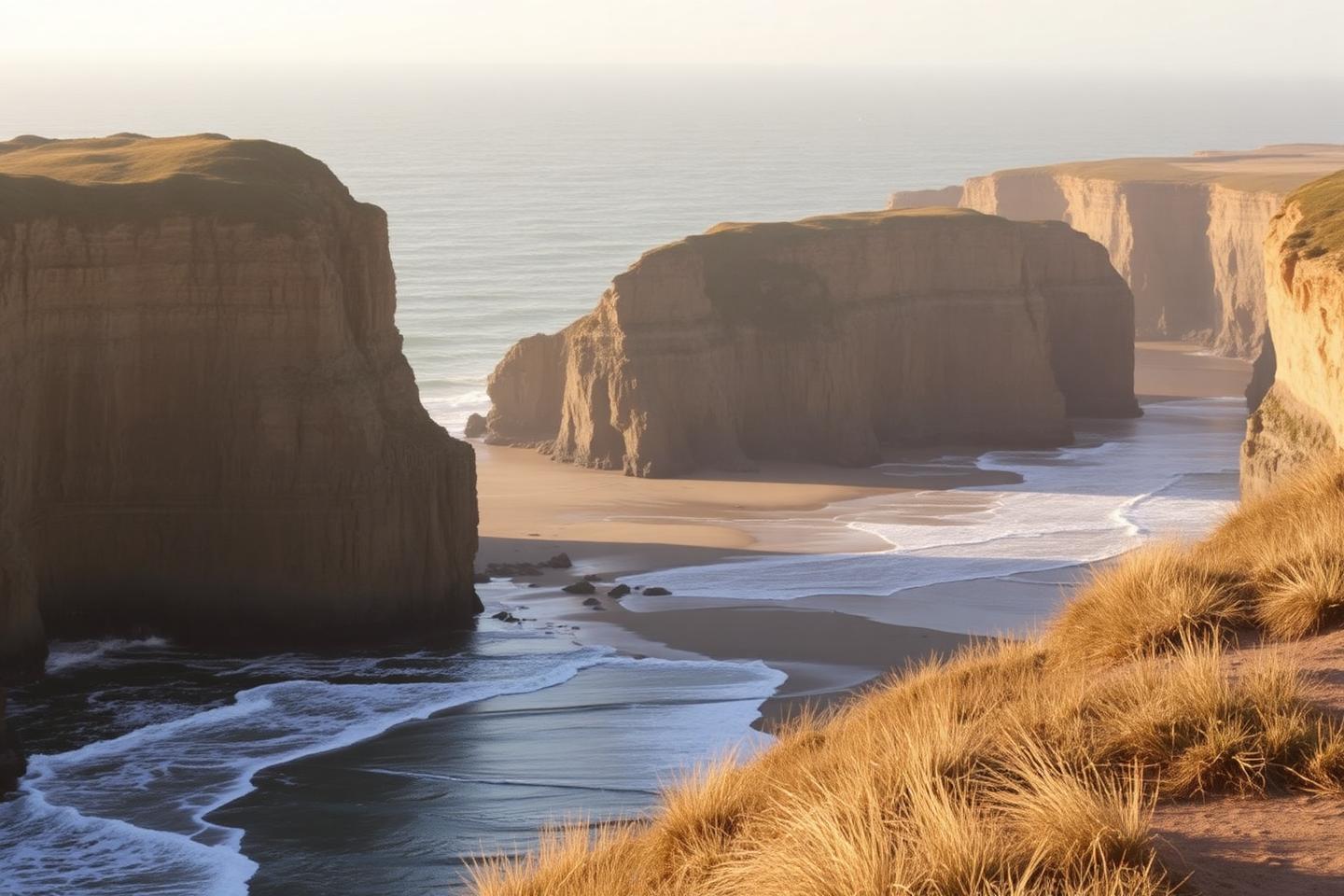
Cliffs, dunes, sandbanks, and beaches in constant motion: how waves, tides, and wind redesign the coastline and what that means for visitors.
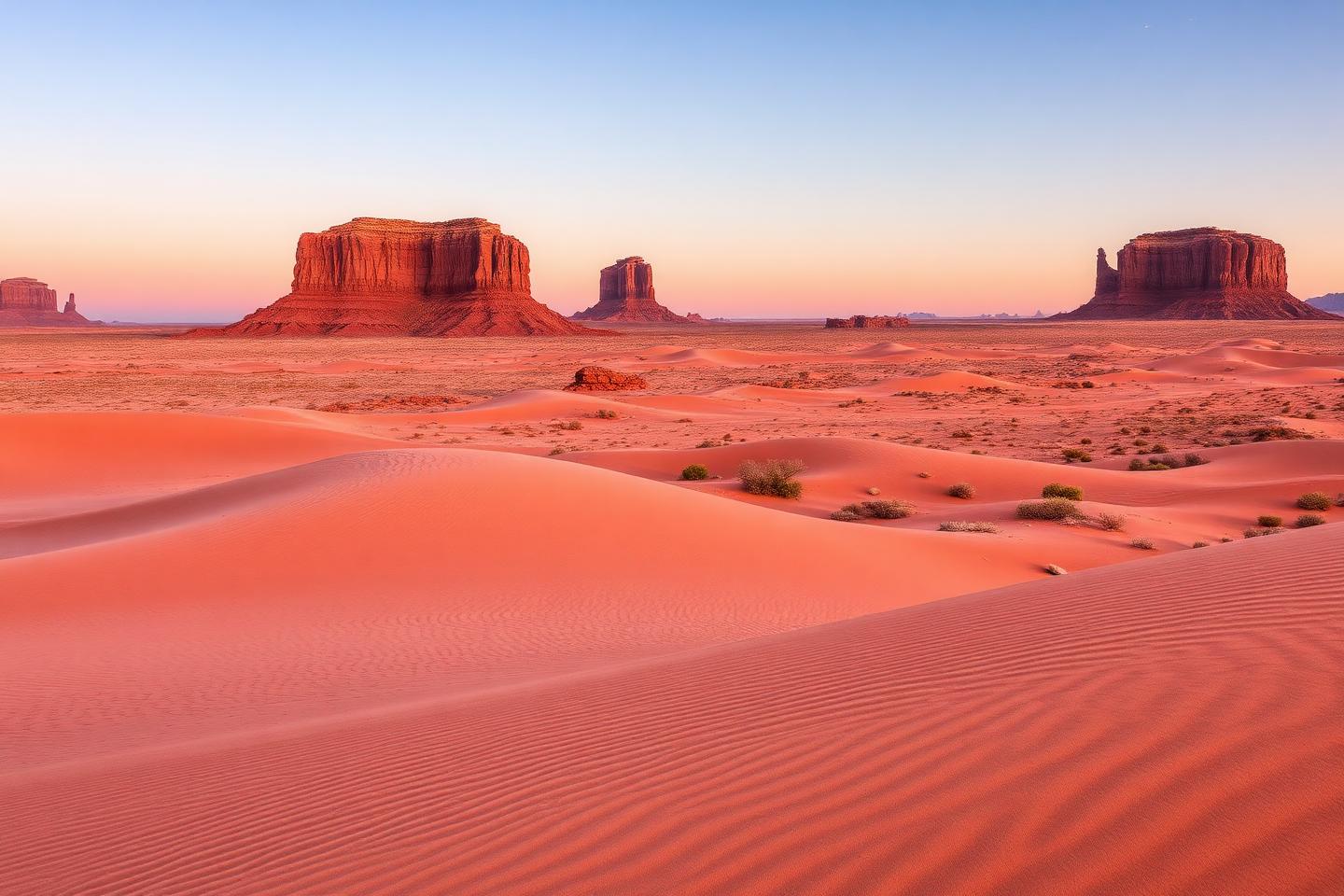
What defines an arid region, why cold deserts exist, how life adapts to water scarcity, and what precautions a visit requires.
Seasonal snow, flowering, vegetation moisture, and the sun's angle: the factors that make the same mountain look different every season.
Get new stories and inspiration about natural landscapes straight to your inbox. Signing up is optional and you can unsubscribe anytime via the link in every email.