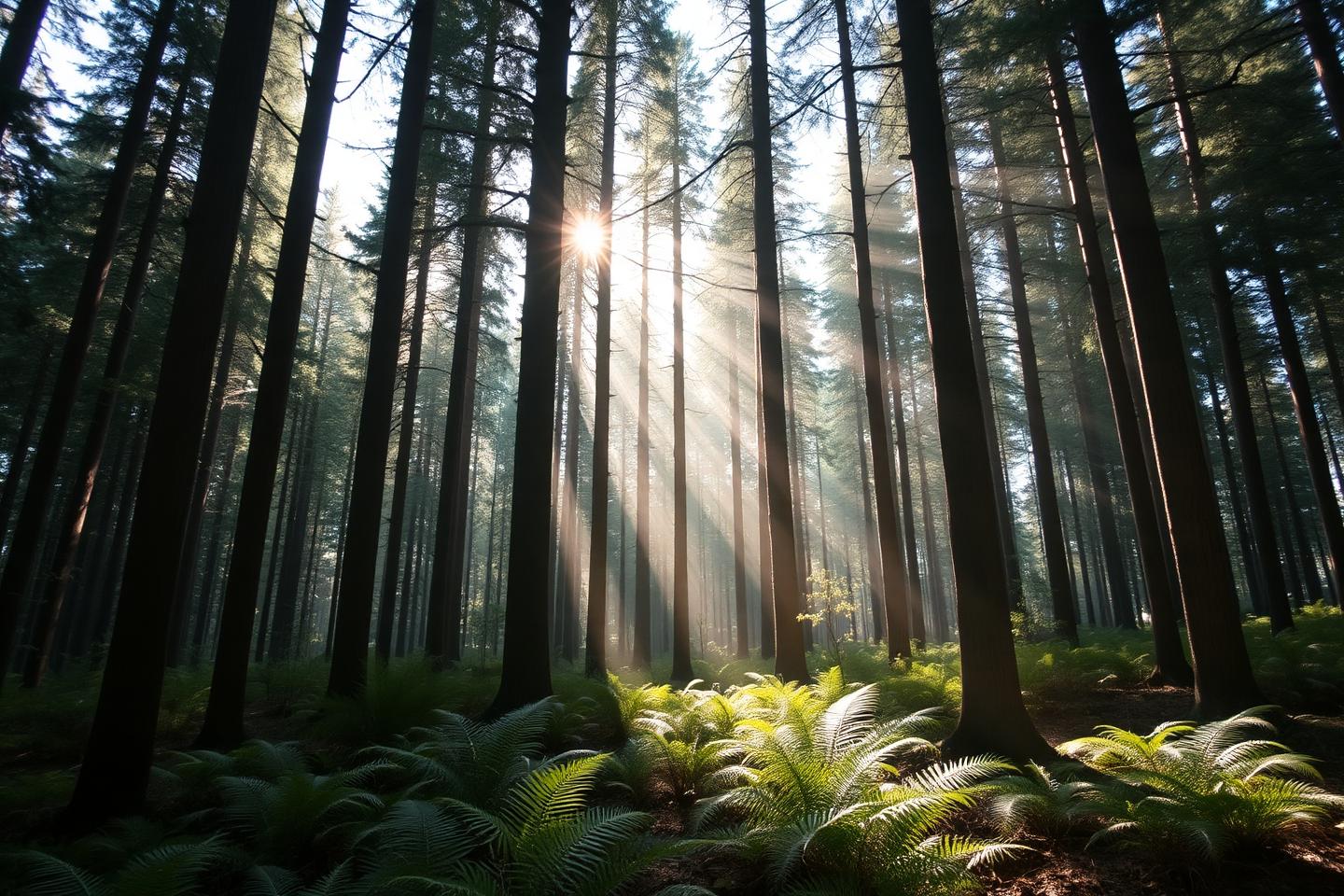
Trails and nature6 min read
What to observe during a hike in natural areas
Vegetation, soil, water, sounds, and signs of wildlife: an observation guide for turning an ordinary hike into an attentive reading of the environment.
How to plan a hike, what to observe along the way and which precautions reduce impacts in natural areas.
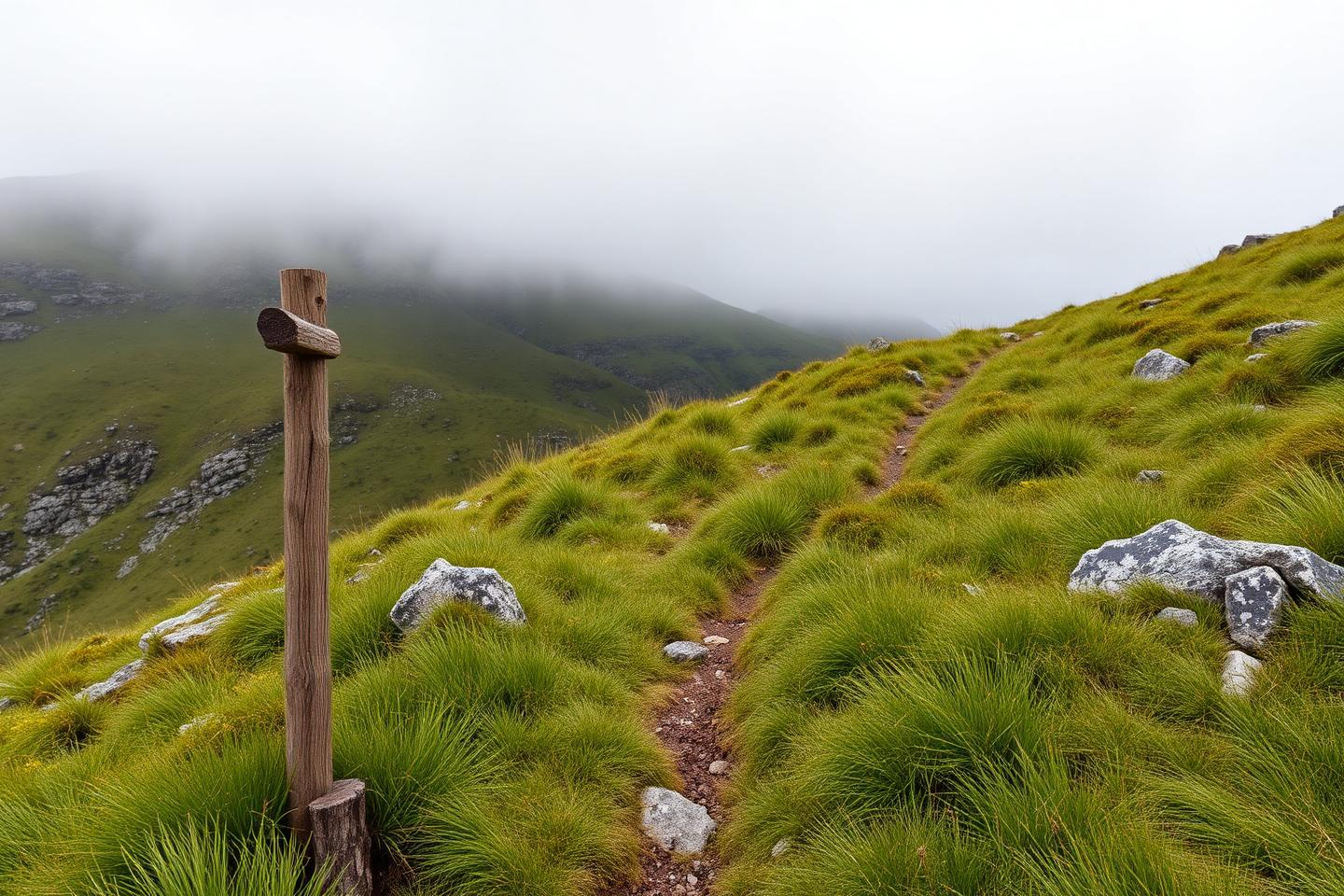
Walking is the most direct way to get to know a natural environment: the slow pace lets you notice changes in vegetation, soil and sound that stay invisible from inside a car.
The texts in this section cover preparation, reading trail signage, observing wildlife and plants from a distance, and low-impact good practice. They do not replace guidance from local guides or official information about trail conditions.
Vegetation, soil, water, sounds, and signs of wildlife: an observation guide for turning an ordinary hike into an attentive reading of the environment.
Route, time, water, gear, weather, and a return plan: a planning checklist for day hikes in natural areas.
Leave-no-trace practices applied to everyday visiting: waste, trails, wildlife, noise, fire, and coexisting with local communities.
Get new stories and inspiration about natural landscapes straight to your inbox. Signing up is optional and you can unsubscribe anytime via the link in every email.