How to respect nature during a visit
Leave-no-trace practices applied to everyday visiting: waste, trails, wildlife, noise, fire, and coexisting with local communities.
- Published on
- Author
- Natural Horizons editorial team
- Reading time
- 6 min read
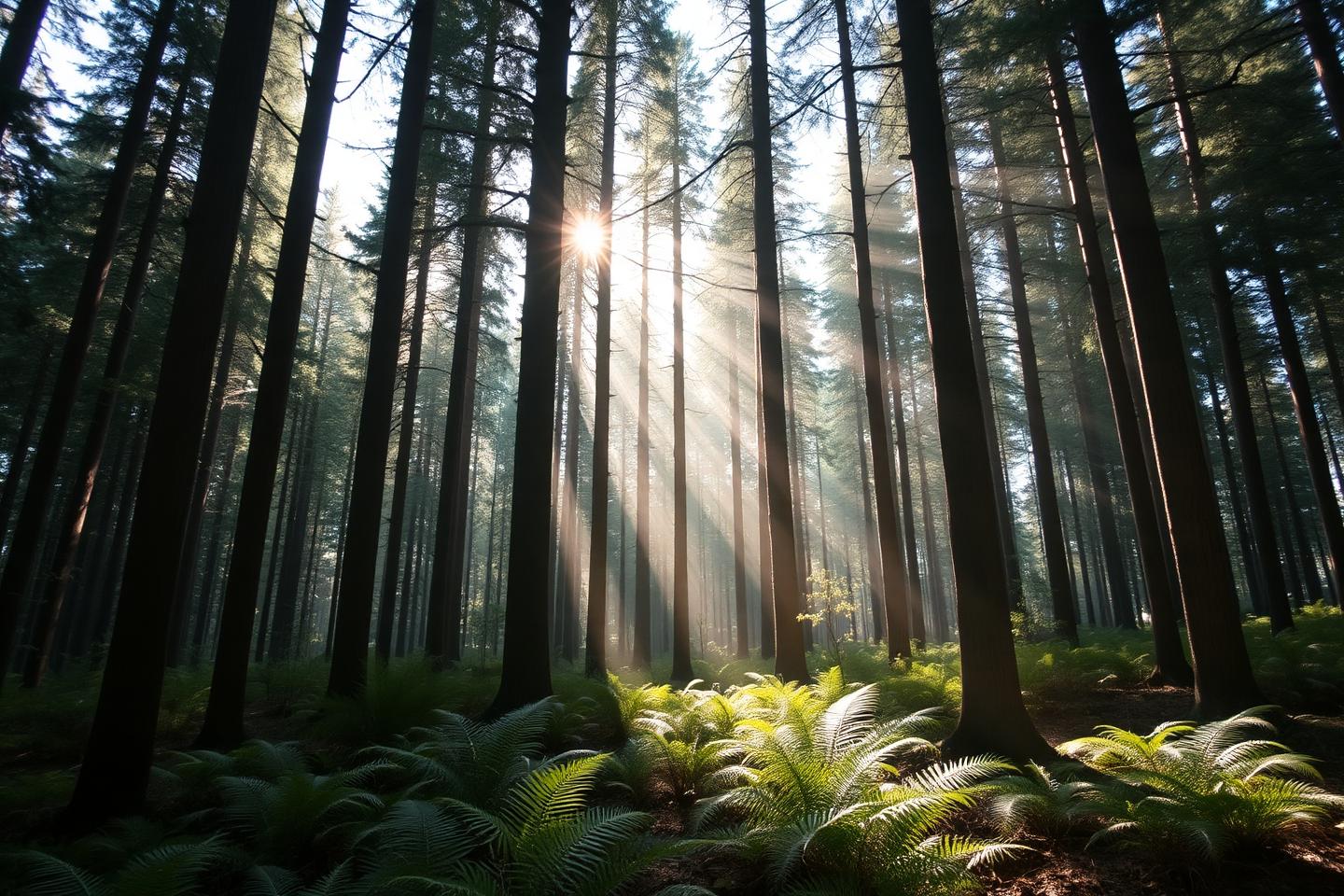
Respecting a natural environment means, in practice, reducing the trace a visit leaves behind. The guidelines below stem from leave-no-trace principles adopted by protected-area managers in several countries.
Take back everything you brought
That includes organic waste. Fruit peel isn't 'natural' outside its own ecosystem: it takes time to decompose, attracts wildlife to visitor areas, and alters animal behavior. Bring a dedicated bag for trash.
Stay on the trail
Shortcuts between switchbacks concentrate water runoff and create erosion channels. In areas with sensitive ground cover, every detour opens a new path that other visitors tend to follow.
Observe wildlife from a distance
- Never feed wild animals — doing so alters their diet and creates dependency and aggression.
- Don't use sound to attract or provoke a reaction.
- If an animal changes its behavior because of your presence, you're too close.
- Keep pets out of areas where they're prohibited.
Keep noise down
Speakers on trails affect wildlife and interfere with other visitors' experience. In many parks, their use is expressly forbidden.
Fire
Use fire only where it's explicitly allowed and in designated structures. During dry periods, restrictions are often total, and a single spark is enough to start a large fire.
Don't collect anything
Stones, flowers, seeds, shells, and pieces of wood serve functions where they are: shelter, nutrients, substrate. Collecting is also an offense in protected areas.
Respect local communities
Many natural destinations sit close to communities. Ask permission before photographing people, respect private property, and choose local services — guides, lodging, and food — when you want visitation to benefit the place where it happens.
Conclusion
Good practices don't depend on equipment or experience: they depend on attention. Always check the specific rules of the site you're visiting, which take precedence over any general guidance.
Sources and further reading
External links lead to third-party websites, whose content is not controlled by Natural Horizons.
More articles
A guide to observing landscapes without leaving impacts
A practical low-impact observation routine: where to stop, what to record, how to use equipment, and how to turn a visit into a lasting memory.
Nature tourism and responsible practices
How to choose operators and lodging, spread out visitation, evaluate sustainability claims, and generate local benefit on nature trips.
What to observe during a hike in natural areas
Vegetation, soil, water, sounds, and signs of wildlife: an observation guide for turning an ordinary hike into an attentive reading of the environment.
Newsletter
Get new stories and inspiration about natural landscapes straight to your inbox. Signing up is optional and you can unsubscribe anytime via the link in every email.