A guide to observing landscapes without leaving impacts
A practical low-impact observation routine: where to stop, what to record, how to use equipment, and how to turn a visit into a lasting memory.
- Published on
- Author
- Natural Horizons editorial team
- Reading time
- 6 min read
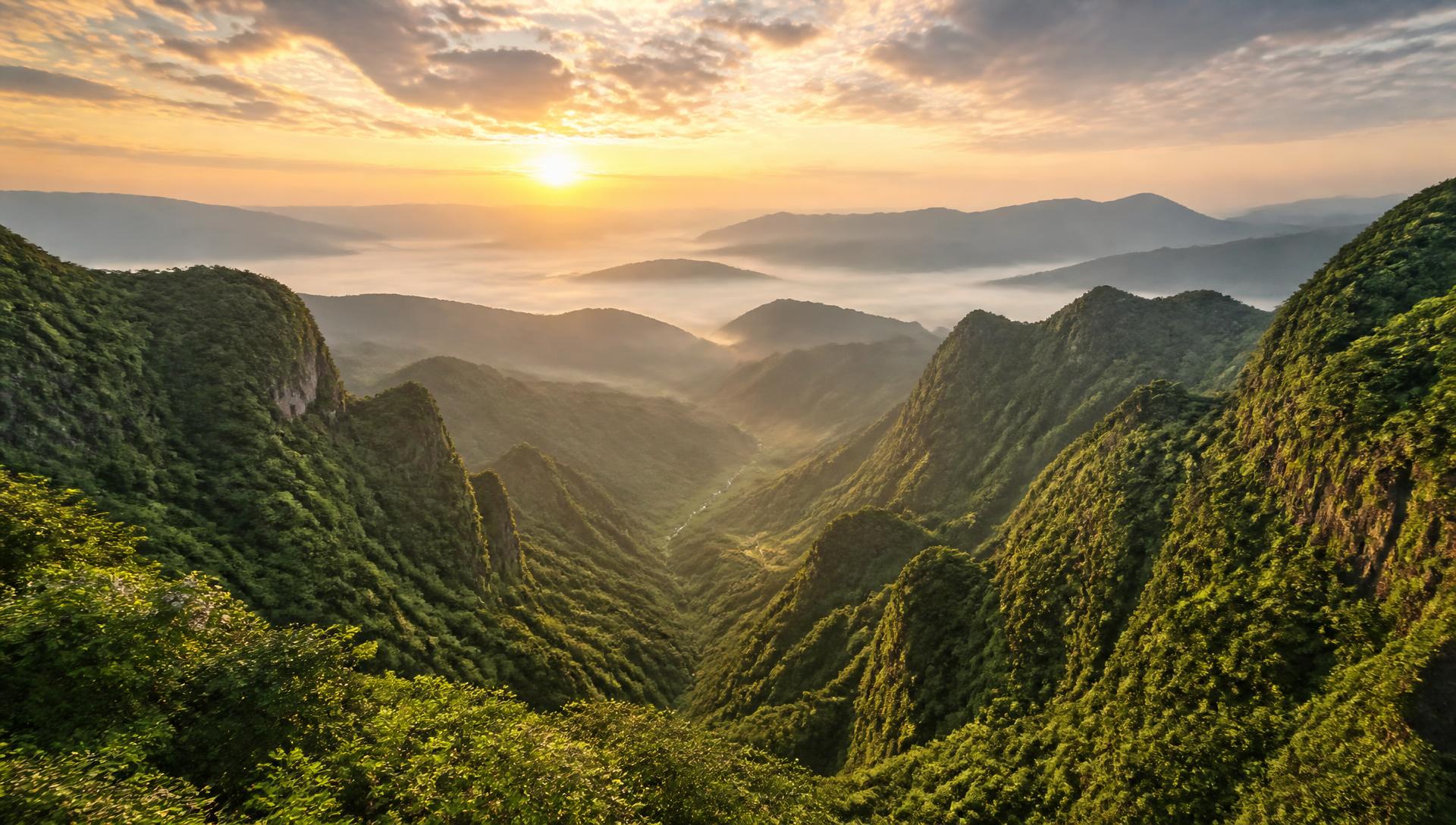
Observing well is a skill that's learned and that, by definition, shouldn't leave a mark. This guide gathers simple practices for getting more out of every stop without interfering with the place.
Choose the right observation spot
Prefer existing structures: viewpoints, platforms, already-established trail edges. A spot that's slightly worse for framing and better for impact is always the right choice. Avoid climbing on rocks with vegetation, lichen, or moss.
Give the place time
A simple rule: stay still for at least ten minutes before deciding you've seen it all. Wildlife starts moving again once the noise of your arrival fades, and light changes more than you'd think within a few minutes.
Field notebook
- Date, time, and weather conditions.
- What dominates the landscape: relief, water, vegetation.
- Three sounds heard and three predominant colors.
- A question about the place to research later.
This record takes only a few minutes and improves the memory of the trip far more than dozens of similar-looking photos.
Equipment
Binoculars are the best investment for observation: they bring things closer without requiring physical proximity. Tripods should stay within already-trampled areas. Drones require authorization in many protected areas and can affect birds — check the rules first.
Responsible sharing
When sharing images of sensitive locations, consider including access rules and avoid exact coordinates of fragile spots or nests. Sharing without context is one of the causes of rapid degradation in places that were previously little visited.
Departure checklist
- No waste left behind, including organic scraps.
- Nothing collected.
- No new path opened.
- Gates and structures left as they were found.
Conclusion
Low-impact observation is a practice that combines attention and discipline — and tends to produce better experiences than rushing. Always follow the specific guidance for the area you're visiting.
More articles
How to respect nature during a visit
Leave-no-trace practices applied to everyday visiting: waste, trails, wildlife, noise, fire, and coexisting with local communities.
How to photograph natural landscapes with natural light
Timing, light direction, composition, and field precautions for photographing landscapes using only natural lighting — including with a phone.
Newsletter
Get new stories and inspiration about natural landscapes straight to your inbox. Signing up is optional and you can unsubscribe anytime via the link in every email.