Nature tourism and responsible practices
How to choose operators and lodging, spread out visitation, evaluate sustainability claims, and generate local benefit on nature trips.
- Published on
- Author
- Natural Horizons editorial team
- Reading time
- 7 min read
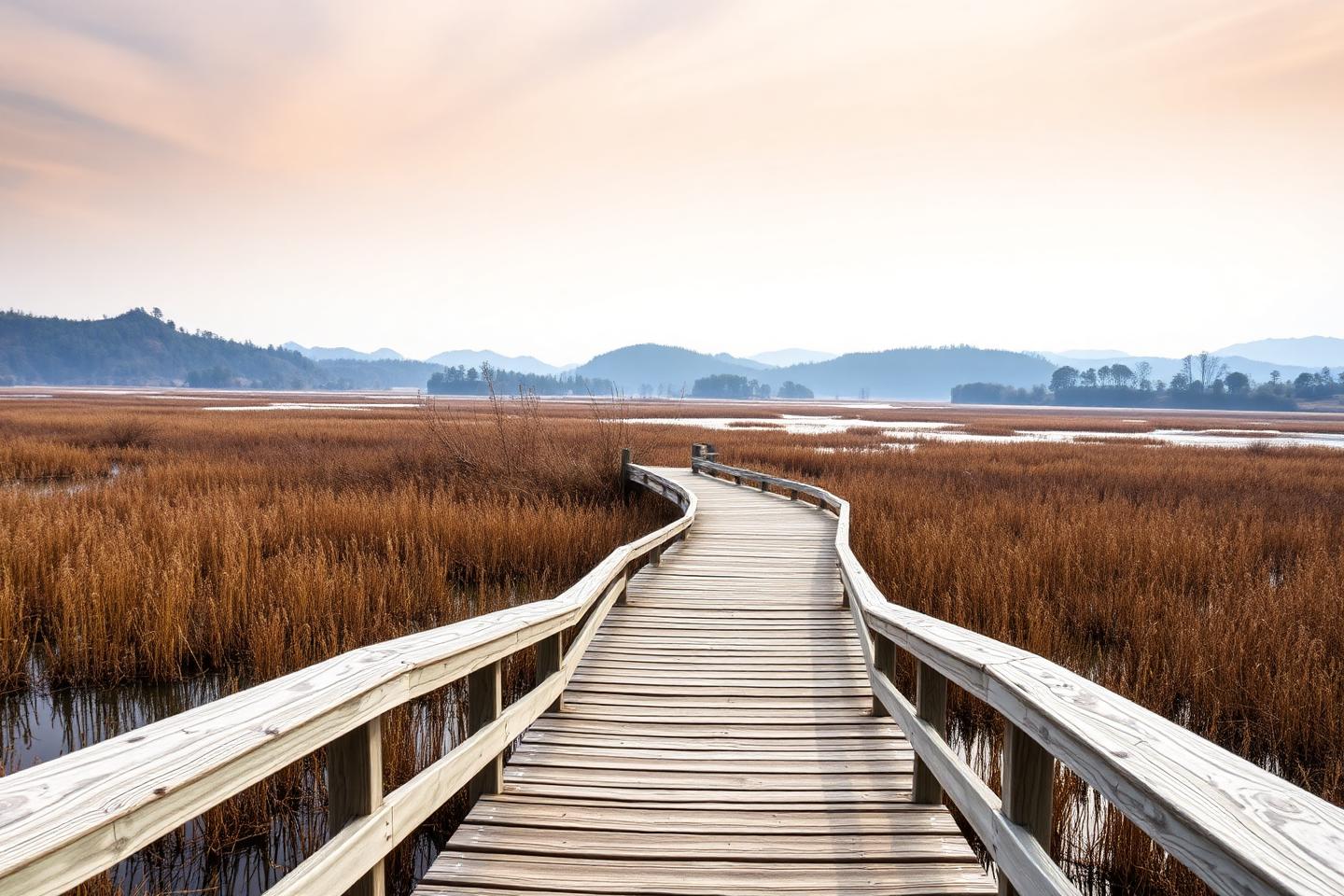
Nature tourism can fund conservation or degrade the very thing that draws visitors. The difference lies less in the number of people and more in how visitation is organized — and in each traveler's choices.
Choosing operators and guides
- Prefer guides licensed by the conservation unit or by local associations.
- Be wary of itineraries that promise access to closed or 'exclusive' areas.
- Check the maximum group size: smaller groups reduce impact and improve the experience.
- Ask how the operator handles waste and water supply.
Spreading out visitation
Crowding is the main problem at many destinations: everyone at the same viewpoint, on the same holiday, at the same time. Traveling off peak season, choosing weekdays, and considering secondary attractions reduces pressure on saturated spots and improves the quality of the visit.
Local economic benefit
Lodging, food, and services hired within the region itself increase the chance that tourism generates income where the environmental cost is paid. That link is what makes conservation socially sustainable in the long run.
How to evaluate sustainability claims
Generic statements say little. Look for verifiable information: where waste goes, the source of energy, water use, resident participation in operations, support for local projects. Certifications help, but it's worth knowing who certifies and by what criteria.
Warning signs
- Interaction with wild animals offered as an attraction.
- Vehicles off authorized roads.
- Promises of unrestricted access in areas with visitor limits.
- A total absence of information about the site's rules.
Transparency from the traveler
Recording and sharing trips also has an effect: publicizing fragile locations without context can trigger disorderly visitation. Whenever possible, pair content with information about access rules and needed precautions.
Conclusion
Responsible tourism isn't a category of trip: it's a set of decisions repeated throughout the planning process. Check rules and conditions directly with the responsible authorities before booking any service.
More articles
Nature parks and the importance of conservation
How protected areas work, what zoning means, why visiting rules exist, and what role the visitor plays in that system.
How to choose a destination for a nature trip
Seven objective criteria — season, access, infrastructure, physical effort, local rules, budget, and time — for choosing a nature destination that suits you.
Lakes, rivers, and waterfalls: different ways to enjoy nature
The differences between still and moving water environments, what changes between seasons, and which safety precautions to consider in each case.
Newsletter
Get new stories and inspiration about natural landscapes straight to your inbox. Signing up is optional and you can unsubscribe anytime via the link in every email.