Lakes, rivers, and waterfalls: different ways to enjoy nature
The differences between still and moving water environments, what changes between seasons, and which safety precautions to consider in each case.
- Published on
- Author
- Natural Horizons editorial team
- Reading time
- 6 min read
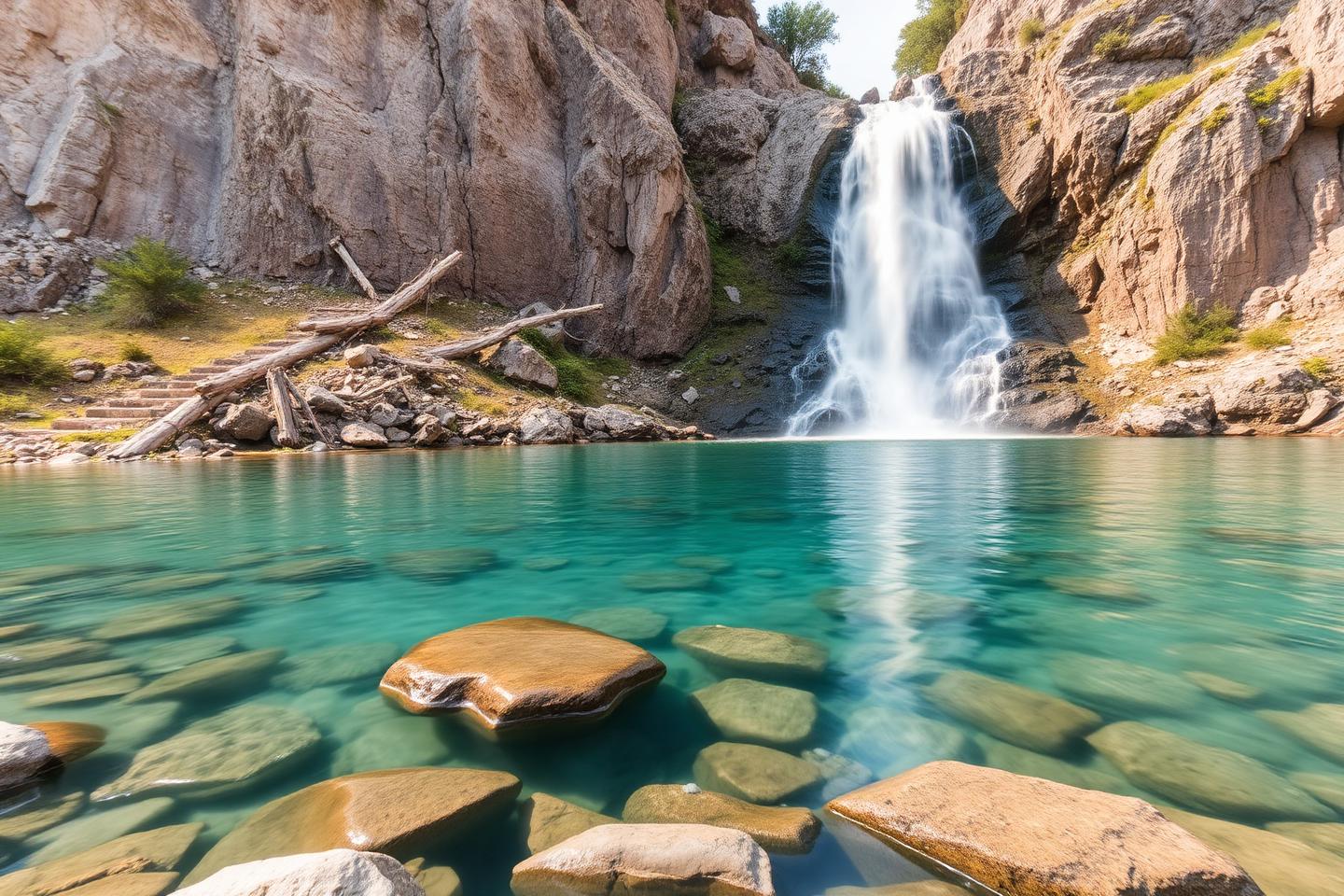
Water environments draw crowds at almost every natural destination — for good reason: they combine scenery, mild temperatures, and abundant life. But lakes, rivers, and waterfalls work in different ways, and that changes both the experience and the precautions needed.
Lakes: still water, slow time
In still bodies of water, temperature organizes itself into layers, with warmer water at the surface and colder water at the bottom. That explains the shock of cold when diving in, and also fish distribution throughout the day. Lakes often offer the best conditions for reflections early in the morning, when the wind is still light.
Rivers: energy in motion
A river continuously reshapes its own bed: it erodes the outer bank of curves and deposits sediment on the inner bank. Observing sandbanks, rounded stones, and stranded logs helps you understand the force the water reaches during floods.
A basic reading of safety
- Cloudy water and a fast-rising level indicate rain upstream, even under sunshine at your location.
- Wet rock surfaces with biofilm are extremely slippery.
- Return currents in pools below falls can be strong and aren't visible from the bank.
Waterfalls: extreme seasonal variation
No water environment changes as much between seasons. An impressive falls in the rainy season can shrink drastically months later. That doesn't make the visit worse — just different: with less volume, you can better observe the rock, the shape of the streambed, and the vegetation on the damp walls.
How to make the most of each type
- Lakes: arrive early for calm water and soft light; bring sun protection, since reflection increases exposure.
- Rivers: walk along the bank observing changes in speed; avoid crossing without knowing the depth and the bottom.
- Waterfalls: check the expected flow for the season and consider weekdays to avoid crowds.
Conservation
Sunscreen, soap, and food scraps affect water quality. In protected areas, swimming may be restricted to specific spots precisely to concentrate impact. Respecting those boundaries is part of the visit.
Conclusion
Water is the element that changes a landscape the fastest. Knowing how each type of aquatic environment behaves makes the visit safer and more interesting. Always check current conditions and restrictions with local management before entering the water.
More articles
How to choose a destination for a nature trip
Seven objective criteria — season, access, infrastructure, physical effort, local rules, budget, and time — for choosing a nature destination that suits you.
Coastal landscapes and their transformation over time
Cliffs, dunes, sandbanks, and beaches in constant motion: how waves, tides, and wind redesign the coastline and what that means for visitors.
Nature tourism and responsible practices
How to choose operators and lodging, spread out visitation, evaluate sustainability claims, and generate local benefit on nature trips.
Newsletter
Get new stories and inspiration about natural landscapes straight to your inbox. Signing up is optional and you can unsubscribe anytime via the link in every email.