How to choose a destination for a nature trip
Seven objective criteria — season, access, infrastructure, physical effort, local rules, budget, and time — for choosing a nature destination that suits you.
- Published on
- Author
- Natural Horizons editorial team
- Reading time
- 7 min read
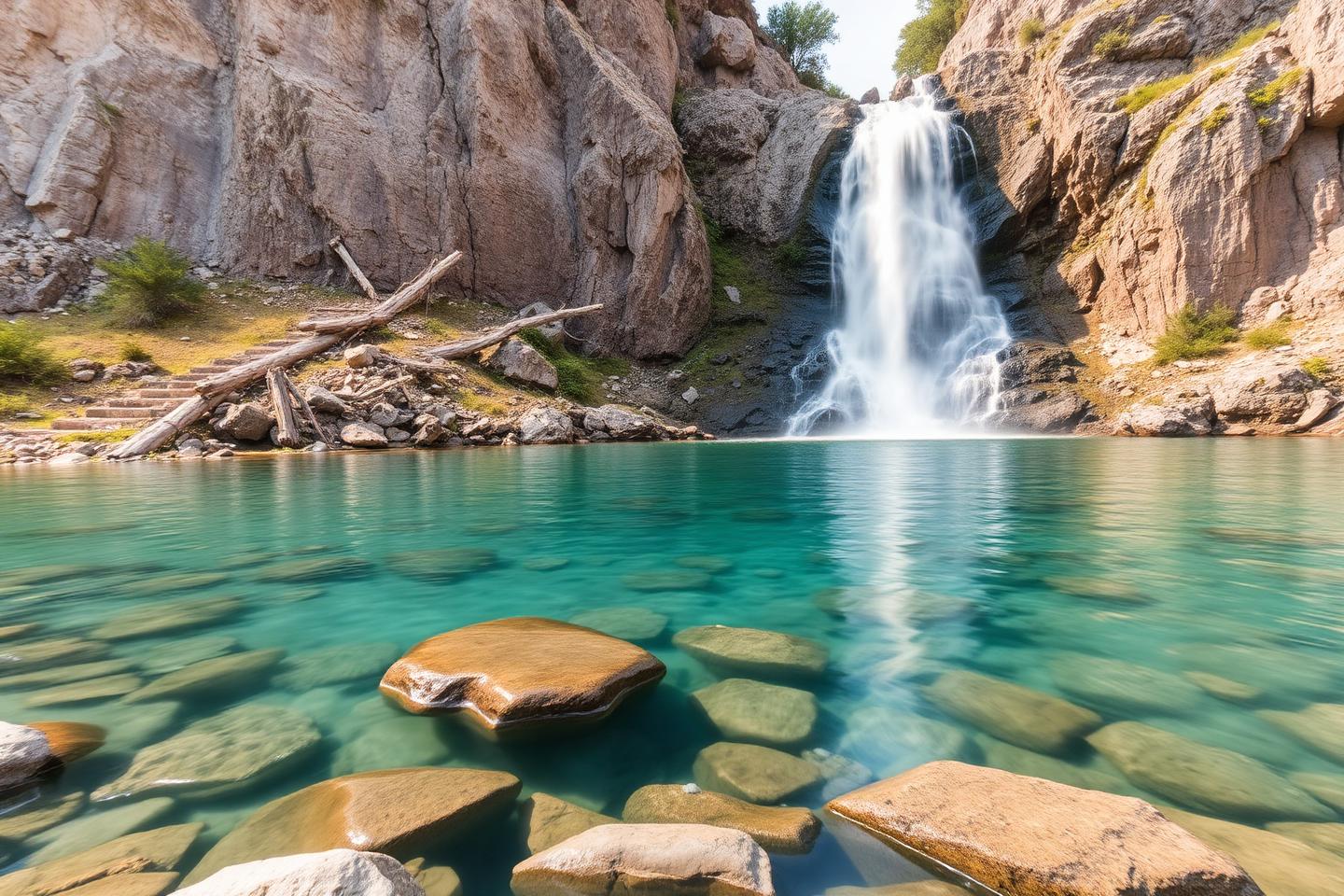
Frustration on nature trips rarely comes from the place itself: it comes from the gap between expectation and reality. A waterfall photographed at maximum flow may be reduced to a trickle in the dry season; a trail described as 'easy' may require six hours of hiking under open sun.
The criteria below help narrow that gap before you buy the ticket.
1. Time of year
This is the criterion that changes the experience the most. The rainy season means more water flow, more mosquitoes, and a higher chance of closed trails. The dry season tends to bring clear skies, more predictable days, and less green scenery. There's no universal 'best time' — there's the time that matches what you want to see.
2. Access and internal transportation
Check how to reach the starting point: paved road, dirt road, need for a high-clearance vehicle, public transport, or a transfer. Many people plan the flight and forget about the last two hours of travel, which tend to be the trickiest.
3. Available infrastructure
- Is there trail signage and a visitor center?
- Is there drinking water, a bathroom, and a rest area?
- Is there phone signal at any point along the route?
- Does the visit require a licensed guide or advance booking?
4. Physical effort required
Distance alone says little. What matters is the combination of mileage, cumulative elevation gain, terrain type, and temperature. Ten flat, shaded kilometers are very different from six kilometers with a 700-meter climb at midday.
5. Local visiting rules
Protected areas often have a daily visitor cap, entry and exit times, drone restrictions, fire bans, and rules about pets. This information changes frequently and should be checked against the official source for the park or reserve, not just other visitors' reports.
6. A realistic budget
Add up admission, mandatory guides, internal transportation, lodging, and food. In many natural destinations, local transportation is the largest cost, especially where there are few operators.
7. Time available
A useful rule: set aside at least one extra day beyond the minimum needed. Unstable weather is the most common cause of itinerary changes in natural environments, and a spare day turns a cancellation into a postponement.
How to compare two destinations
Build a simple table with the seven criteria and give each destination a score from 1 to 3. The goal isn't exact math but making visible the criterion where a destination is weak. If the weak point is something you won't tolerate — such as a difficult road or lack of shade — the decision solves itself.
Conclusion
Choosing a destination well is, above all, about aligning expectation with context. The information gathered here is informational: access conditions, weather, and visiting rules should be confirmed with the responsible authorities before traveling.
More articles
How to plan an outdoor hike
Route, time, water, gear, weather, and a return plan: a planning checklist for day hikes in natural areas.
Nature tourism and responsible practices
How to choose operators and lodging, spread out visitation, evaluate sustainability claims, and generate local benefit on nature trips.
Lakes, rivers, and waterfalls: different ways to enjoy nature
The differences between still and moving water environments, what changes between seasons, and which safety precautions to consider in each case.
Newsletter
Get new stories and inspiration about natural landscapes straight to your inbox. Signing up is optional and you can unsubscribe anytime via the link in every email.