How to plan an outdoor hike
Route, time, water, gear, weather, and a return plan: a planning checklist for day hikes in natural areas.
- Published on
- Author
- Natural Horizons editorial team
- Reading time
- 8 min read
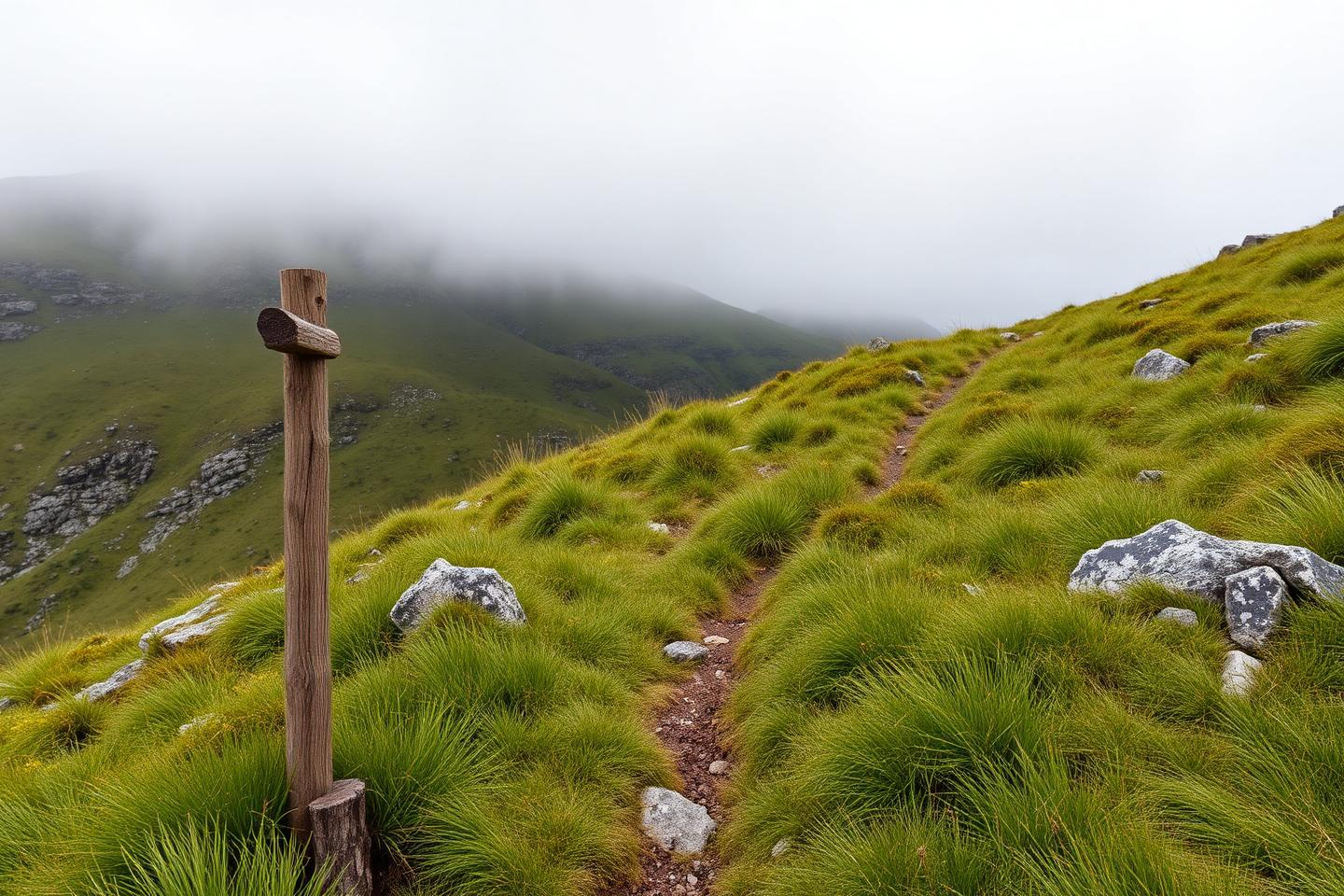
Most problems on day hikes share the same origin: a late start, insufficient water, and no cutoff time to turn back. Planning solves all three before you even leave home.
1. Define the route with objective data
Note total distance, cumulative elevation gain, type of route (loop, out-and-back, or through-hike), and intermediate exit points. If the trail requires a guide or a permit, sort that out during planning, not on the day itself.
2. Estimate time with a margin
A conservative estimate for uneven terrain is around 2.5 to 3 km per hour, adding extra time for every 100 meters of climbing. Add stops for water, food, and observation. Then add another 20% buffer.
3. Water and food
- Bring more water than you think you'll need, especially on shadeless trails.
- Don't count on water sources along the way unless the area's management confirms they exist and are available.
- Choose compact food and pack out all your waste.
4. Basic gear for a day out
- Closed footwear with grippy soles that's already broken in.
- Layered clothing, including a lightweight windbreaker.
- Sun protection: hat, sunglasses, and sunscreen.
- A headlamp, even with no plans to walk in the dark.
- A basic first-aid kit and personal medication.
- An offline map on your phone and a power bank.
5. Weather and timing
Check the forecast specific to the mountain or coastal region, which often differs from the nearest city's forecast. Set a cutoff time: if you haven't reached the farthest point by then, turn back. This simple rule prevents most returns in the dark.
6. Tell someone
Share your route, expected return time, and group size with someone who isn't coming with you. In areas with entry control, sign in at the gate and check out when you leave.
7. Plan B
Have a shorter alternative in mind before you leave. Fatigue, heat beyond expectations, or heavy rain stop being problems when there's a second option already planned.
Conclusion
Planning doesn't remove spontaneity: it creates room for it. This content is informational and doesn't replace guidance from local guides, specific training, or official information about the area you're visiting.
More articles
What to observe during a hike in natural areas
Vegetation, soil, water, sounds, and signs of wildlife: an observation guide for turning an ordinary hike into an attentive reading of the environment.
How to respect nature during a visit
Leave-no-trace practices applied to everyday visiting: waste, trails, wildlife, noise, fire, and coexisting with local communities.
Newsletter
Get new stories and inspiration about natural landscapes straight to your inbox. Signing up is optional and you can unsubscribe anytime via the link in every email.