What to observe during a hike in natural areas
Vegetation, soil, water, sounds, and signs of wildlife: an observation guide for turning an ordinary hike into an attentive reading of the environment.
- Published on
- Author
- Natural Horizons editorial team
- Reading time
- 6 min read
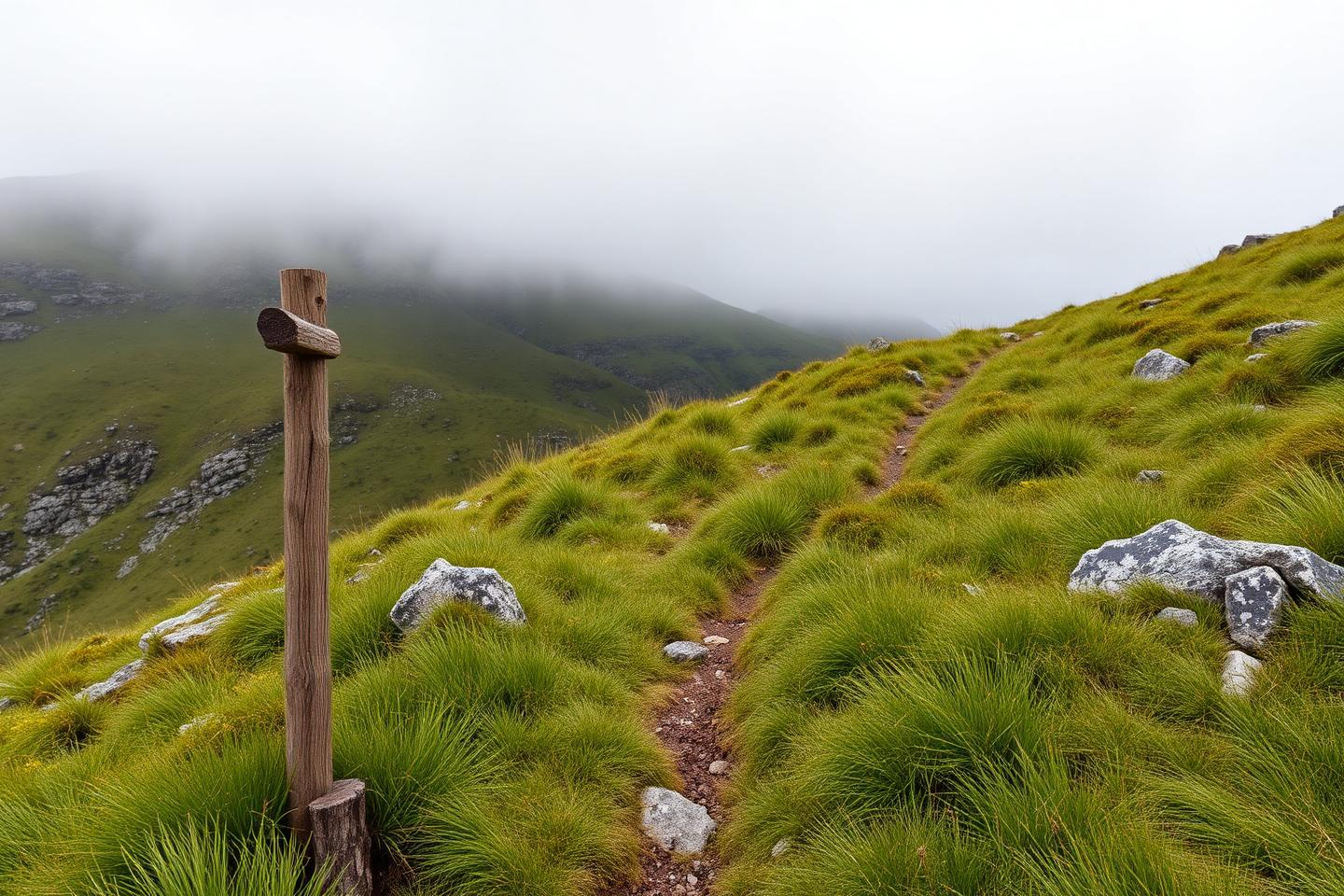
Walking too fast is the most efficient way to see almost nothing. Most of what exists along a trail appears to those who slow down, stop, and look in the right direction for a few extra seconds.
Changes in vegetation
Notice transitions: a stretch of dense forest that opens into a field, a thickening of trees along a watercourse, a point where the leaves become smaller and tougher. Each transition indicates a change in soil, moisture, wind exposure, or altitude.
Riparian vegetation
The strip of vegetation that follows rivers and streams is easy to spot from afar: it forms a darker green line in the middle of the landscape. It holds the bank in place, filters sediment, and serves as a corridor for animals.
Soil and trail surface
- Dark, soft soil usually indicates a buildup of organic matter.
- Light, sandy, loose soil drains fast and retains little water.
- Exposed roots and deep ruts are signs of erosion, often worsened by shortcuts opened by visitors.
Water
Observe color, sound, and speed. Cloudy water after rain is normal; cloudy water on a dry day can indicate soil movement upstream. Water-level marks on rocks show how high the flow reaches during floods — useful information for choosing where to stop.
Signs of wildlife
Direct encounters are rare; indirect signs are not. Tracks in damp soil, droppings, feathers, burrows, claw marks on trunks, and feeding remains tell you who passed through. Observe without touching and without collecting.
Active listening
Stop for two minutes in silence. Sound reveals what sight hides: bird calls, insects, distant water, wind in the treetops. It's also a way to notice the presence of other groups on the trail.
Sky and weather
Rapidly forming vertical clouds, a sudden drop in temperature, and a shift in wind direction are signs of instability. In mountain environments, these changes happen within minutes and justify heading back early.
Human presence
Signage, fences, markers, old stone walls, and regenerating areas show how the place was used in the past. Many landscapes protected today were once pasture, farmland, or extraction sites.
Conclusion
Observation is a practice that improves with repetition. Returning to the same trail in different seasons teaches more about an environment than visiting ten places once each. Always follow official signage and the guidance of the area's management.
More articles
How to plan an outdoor hike
Route, time, water, gear, weather, and a return plan: a planning checklist for day hikes in natural areas.
How to respect nature during a visit
Leave-no-trace practices applied to everyday visiting: waste, trails, wildlife, noise, fire, and coexisting with local communities.
Newsletter
Get new stories and inspiration about natural landscapes straight to your inbox. Signing up is optional and you can unsubscribe anytime via the link in every email.