Nature parks and the importance of conservation
How protected areas work, what zoning means, why visiting rules exist, and what role the visitor plays in that system.
- Published on
- Author
- Natural Horizons editorial team
- Reading time
- 7 min read
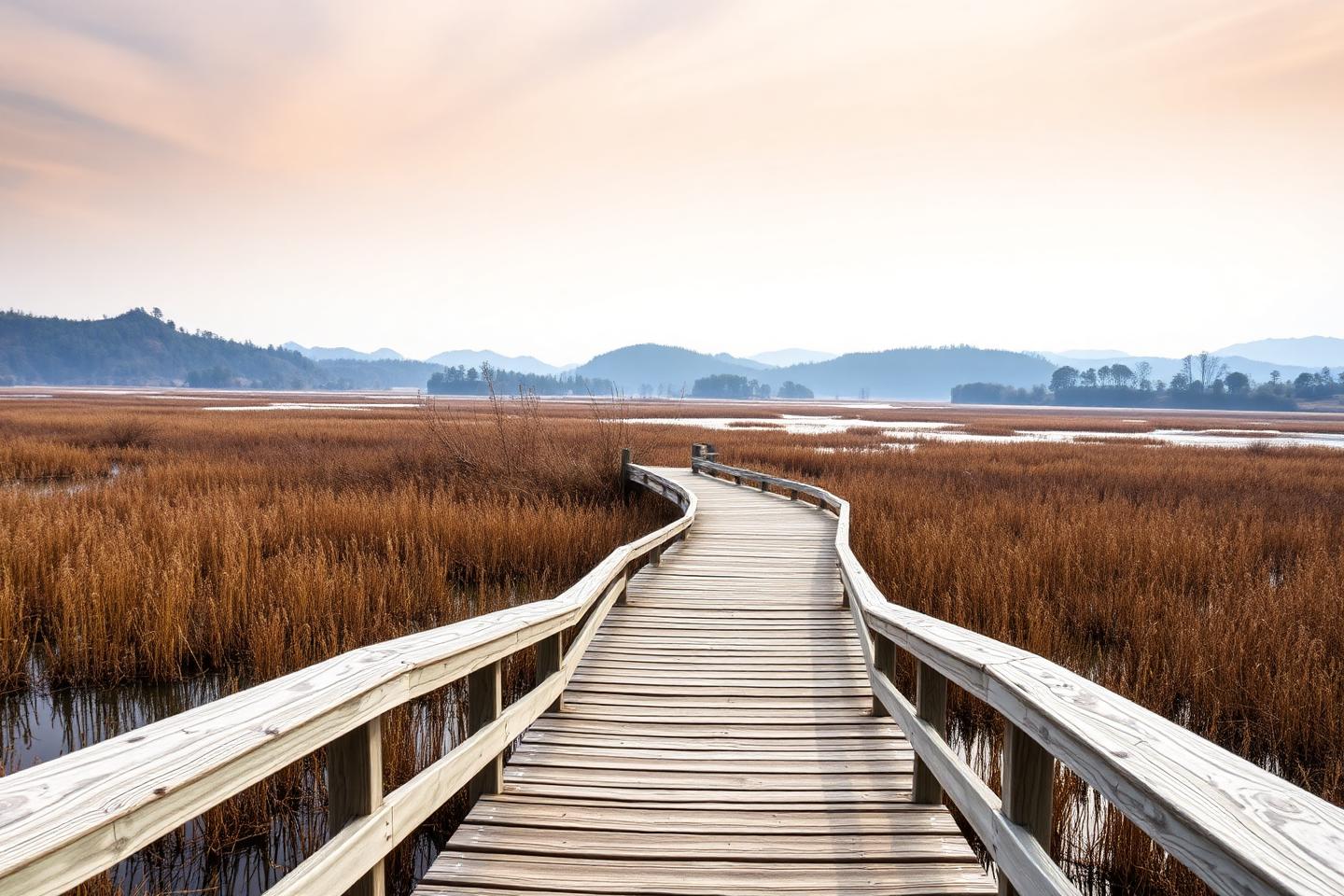
Protected areas serve a dual, not always comfortable, function: conserving ecosystems while at the same time allowing people to get to know them. Nearly every visiting rule stems from that tension.
Different levels of protection
Not every protected area has the same goal. Some prioritize strict preservation, with access limited to research. Others allow heavy visitation and infrastructure. There are also categories that permit sustainable resource use by local populations. Knowing which category a destination fits explains what's allowed there.
Zoning
Within a single park, the territory is usually divided into zones: intensive-use areas, where visitor centers and main trails are located; extensive-use zones, with minimal infrastructure; and intangible zones, closed to the public. The goal is to concentrate impact where it can be managed.
Why there's a visitor limit
Every trail has a capacity beyond which the experience degrades and so does the environment: compacted soil, a widening path, constant noise, and wildlife moving away. Daily limits and bookings aren't bureaucracy — they're management tools.
What admission fees usually fund
- Maintenance of trails, signage, and safety structures.
- Ranger and visitor-service teams.
- Monitoring and environmental education programs.
The visitor's role
Well-managed visitation builds social support for conservation: those who know a place tend to defend it. That only holds up when visitors follow the site's rules, stay in open areas, and report problems they observe to management.
Interpretive trails
These are short routes with panels or supporting material that explain what you're seeing. They tend to be the best entry point for those visiting a park for the first time, especially with children, and help spread out visitors who would otherwise crowd the same spots.
Conclusion
Nature parks work like agreements: access in exchange for care. Before visiting, check the site's official website for updated rules, hours, booking requirements, and trail conditions.
Sources and further reading
External links lead to third-party websites, whose content is not controlled by Natural Horizons.
More articles
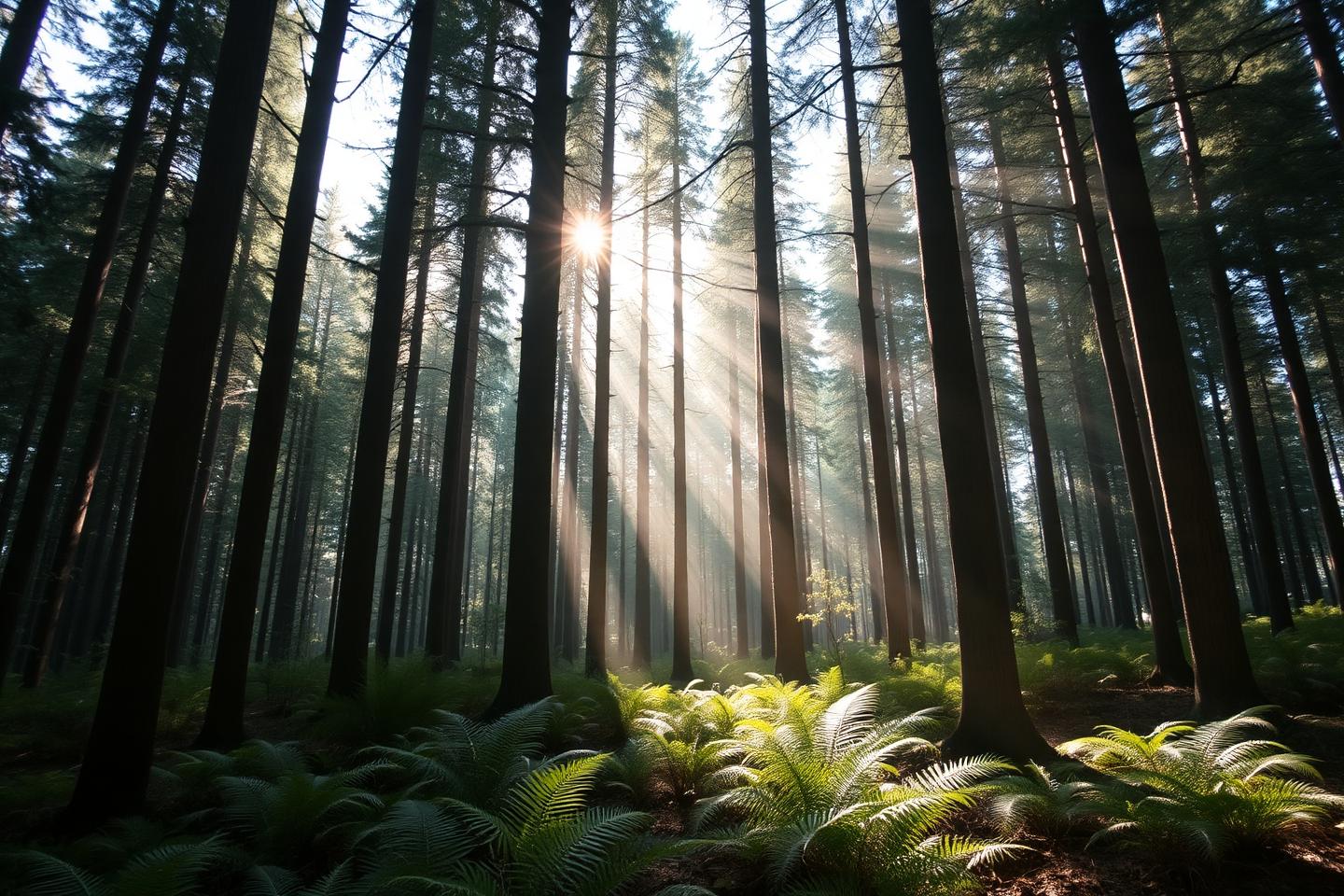
Forests: ecosystems that help preserve biodiversity
Layered structure, the water cycle, soil, and fragmentation: why forests concentrate so much life and what threatens that balance.
Nature tourism and responsible practices
How to choose operators and lodging, spread out visitation, evaluate sustainability claims, and generate local benefit on nature trips.
Newsletter
Get new stories and inspiration about natural landscapes straight to your inbox. Signing up is optional and you can unsubscribe anytime via the link in every email.