Ten natural landscapes that impress with their diversity
From tundra to mangrove: ten types of natural landscape, what defines them, and what to look for in each one during a visit.
- Published on
- Author
- Natural Horizons editorial team
- Reading time
- 8 min read
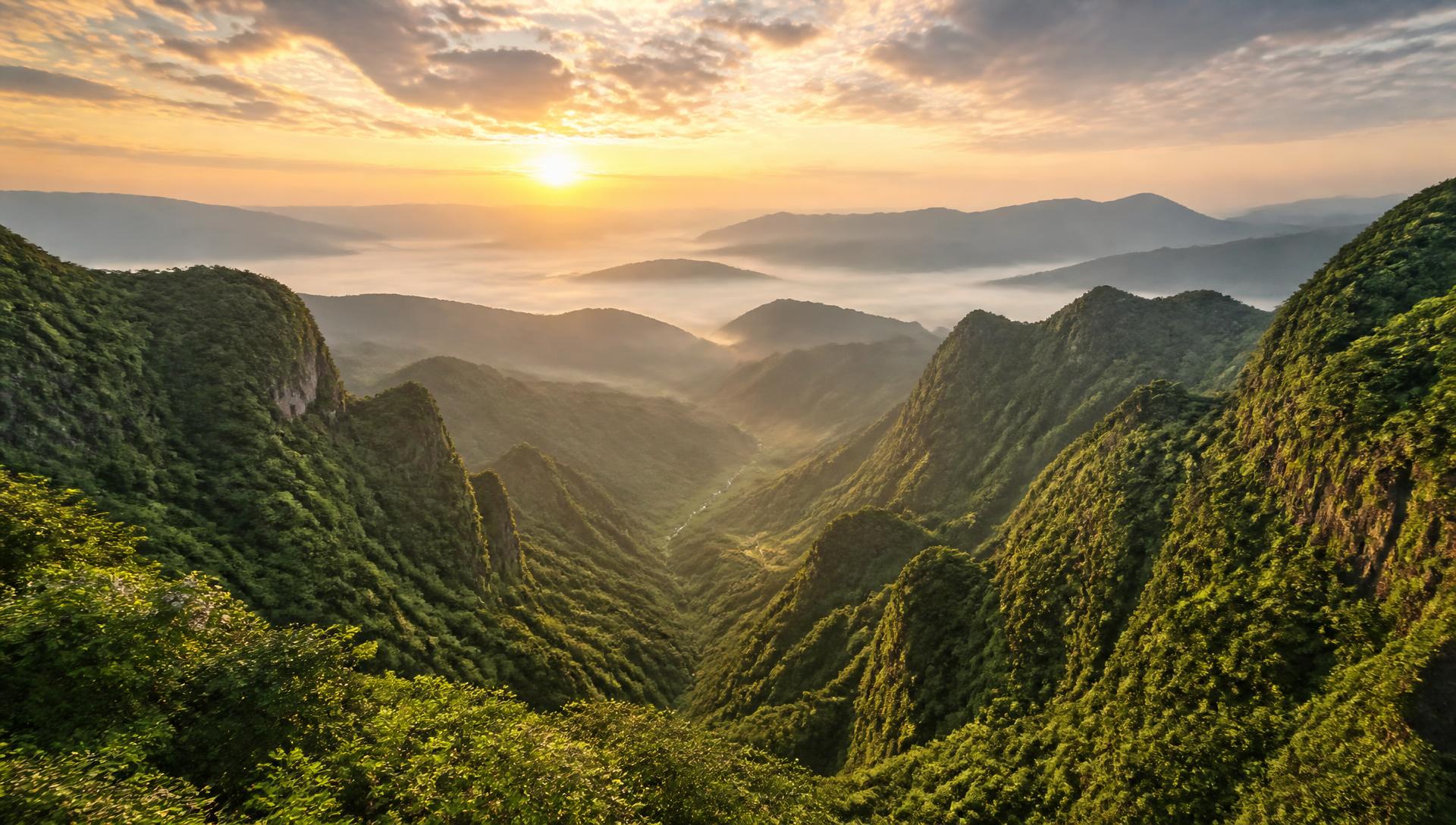
Talking about 'natural landscape' in the singular hides an enormous variety. The term covers environments as different as a wind-battered highland plain and a mangrove sitting still under the heat. What changes between them is the combination of climate, relief, soil, water, and life — and it's that combination that gives each place its appearance.
The list below isn't a ranking. It's a way of organizing how you look: ten landscape families, with what usually stands out in each and what's worth observing carefully when you're standing in front of them.
1. Mountain valleys
Valleys form through the prolonged action of rivers and, in some regions, glaciers. A V-shaped valley usually indicates fluvial erosion; a wider, flat-bottomed U-shaped profile appears where there has been glacial carving. Observing the shape of a valley is a simple way to read the history of a place.
2. Highland grasslands
Above a certain altitude, trees stop dominating and vegetation becomes low, tough, and adapted to wind and temperature swings. These are environments of simple appearance and delicate composition, with species that grow slowly and recover poorly when trampled off trails.
3. Humid tropical forests
Density, canopy height, and permanent shade are the visual hallmarks. What's most impressive isn't a single tree but the stratification: each height layer hosts a different set of organisms.
4. Temperate forests
Where seasons are well marked, the forest changes color and density throughout the year. The same stretch can look like two different places six months apart.
5. Wetlands and flooded areas
Marshes, floodplains, and wetlands seem monotonous from a distance and reveal enormous activity up close. They act as flood regulators and nurseries for aquatic wildlife.
6. Glacial or volcanic lakes
Water color tells part of the story: milky tones usually indicate fine suspended sediment; very clear water indicates little organic matter and low productivity.
7. Canyons and rock walls
Visible layers in the rock are records of deposition over geological periods. In a single rock face it's possible to see the alternation between desert, shallow sea, and riverbed environments.
8. Rocky coasts and cliffs
These are landscapes in continuous motion. Waves, tides, and rain strip material from the base of cliffs, which makes the edges unstable and calls for a safe distance.
9. Dunes and deserts
Without dense vegetation cover, wind becomes the main sculptor. Dune shapes indicate the prevailing wind direction and sand availability.
10. Mangroves
On the border between fresh and salt water, mangroves sustain aerial roots, fine sediment, and a fauna adapted to daily swings in salinity. It's one of the most productive and most fragile environments on the coast.
How to use this list in practice
- Identify the dominant type of landscape before the trip: it determines clothing, footwear, and visiting hours.
- Look for the element that structures the place — the river, the rock, the wind, or the tide.
- Compare what you see with what you expected to see; the difference is usually the most interesting part.
Conclusion
Landscape diversity isn't just aesthetic variety: it's variety of processes. Recognizing those processes makes any visit richer, even in places close to home. Before visiting protected areas, confirm access rules and current conditions with the responsible authority.
Sources and further reading
External links lead to third-party websites, whose content is not controlled by Natural Horizons.
More articles
Mountain landscapes: features and curiosities
How mountains form, why vegetation changes with altitude, and what explains the variation in temperature and light in these environments.
Forests: ecosystems that help preserve biodiversity
Layered structure, the water cycle, soil, and fragmentation: why forests concentrate so much life and what threatens that balance.
Coastal landscapes and their transformation over time
Cliffs, dunes, sandbanks, and beaches in constant motion: how waves, tides, and wind redesign the coastline and what that means for visitors.
Newsletter
Get new stories and inspiration about natural landscapes straight to your inbox. Signing up is optional and you can unsubscribe anytime via the link in every email.