Why some mountains change appearance through the year
Seasonal snow, flowering, vegetation moisture, and the sun's angle: the factors that make the same mountain look different every season.
- Published on
- Author
- Natural Horizons editorial team
- Reading time
- 6 min read
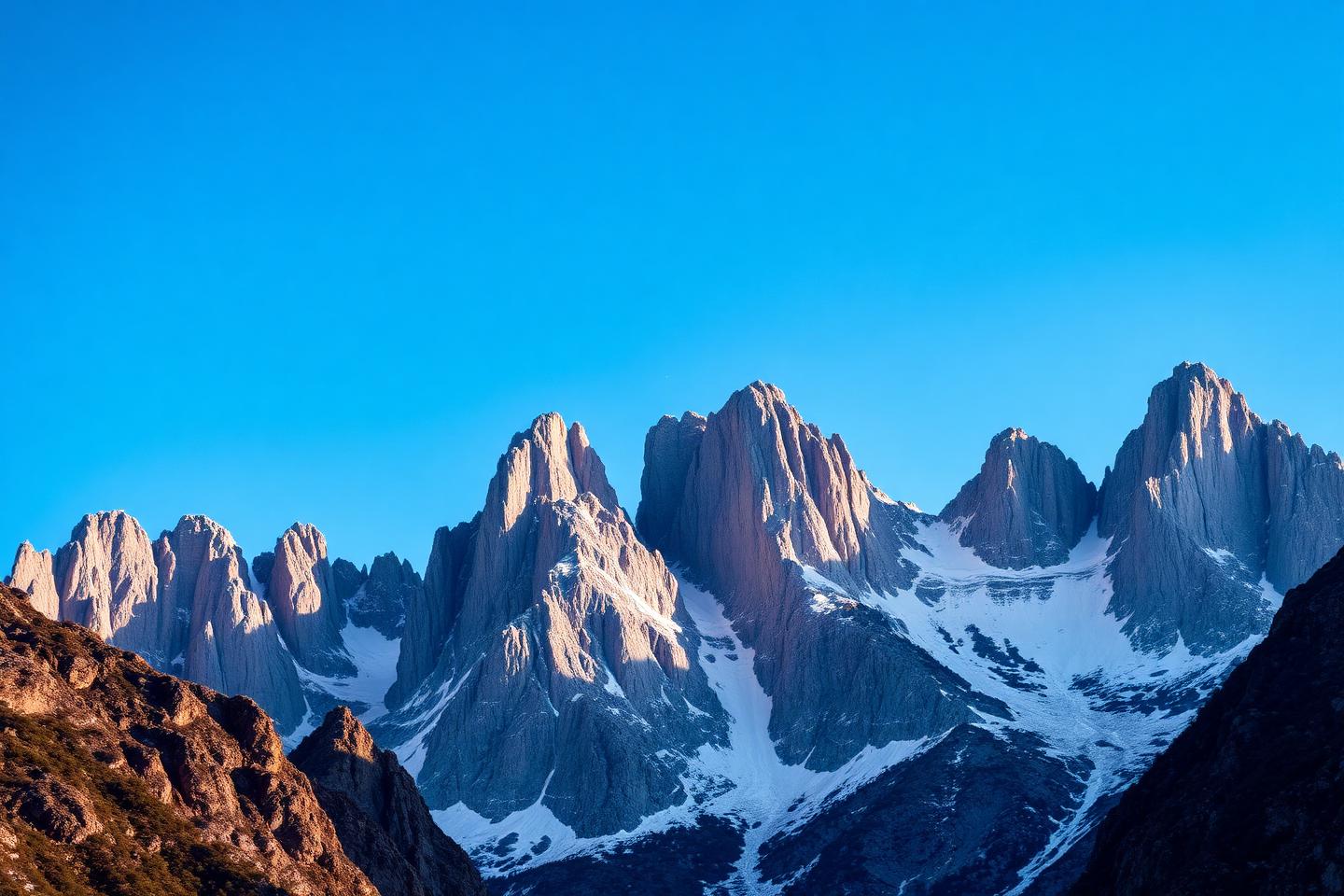
Anyone who returns to the same mountain at different times of year tends to feel like they're in a different place. The impression is correct: several factors change at once throughout the year, and all of them are visible.
Seasonal snow and ice
In regions where it snows, the white cover redraws the terrain: it erases texture detail and highlights the silhouette. As it melts, it exposes dark rock and feeds watercourses, which increases greenery lower down weeks later.
Vegetation moisture
Highland grasslands go from intense green in the wet season to golden and grayish tones in the dry season. It's not the vegetation dying: it's dormancy. The same slope changes color without losing its plant cover.
Flowering and fruiting
Some species bloom in concentrated bursts within short windows, often triggered by temperature and day length. During those weeks, an entire slope can take on a distinct color, attracting pollinators and changing the sound of the environment.
The sun's angle
The sun's path changes throughout the year. This shifts shadows, alters which faces receive direct light, and changes the hour at which a given rock wall is lit. Photographers who return to the same viewpoint in different months notice the difference immediately.
Orographic clouds
Moist air forced upward along a slope condenses and forms clouds at predictable spots. At certain times of year, this creates an almost permanent 'hood' over the summit; at others, the peak stays clear for days.
Dust and air clarity
During dry periods, suspended dust reduces the sharpness of distant ranges. After rain, cleaner air lets you see peaks that seemed nonexistent the week before.
How to use this to your advantage when traveling
- First decide what you want to see — snow, flowers, a full waterfall, clear skies — and only then choose the month.
- Consider transition periods between seasons: they often combine good visibility with active vegetation.
- Return to the same place in another season; it's the cheapest way to discover a new landscape.
Conclusion
Mountains don't just change appearance: they change conditions. Snow, rain, and wind affect safety and access, and trail information should be confirmed with the area's management before visiting.
More articles
Mountain landscapes: features and curiosities
How mountains form, why vegetation changes with altitude, and what explains the variation in temperature and light in these environments.
How to photograph natural landscapes with natural light
Timing, light direction, composition, and field precautions for photographing landscapes using only natural lighting — including with a phone.
Ten natural landscapes that impress with their diversity
From tundra to mangrove: ten types of natural landscape, what defines them, and what to look for in each one during a visit.
Newsletter
Get new stories and inspiration about natural landscapes straight to your inbox. Signing up is optional and you can unsubscribe anytime via the link in every email.